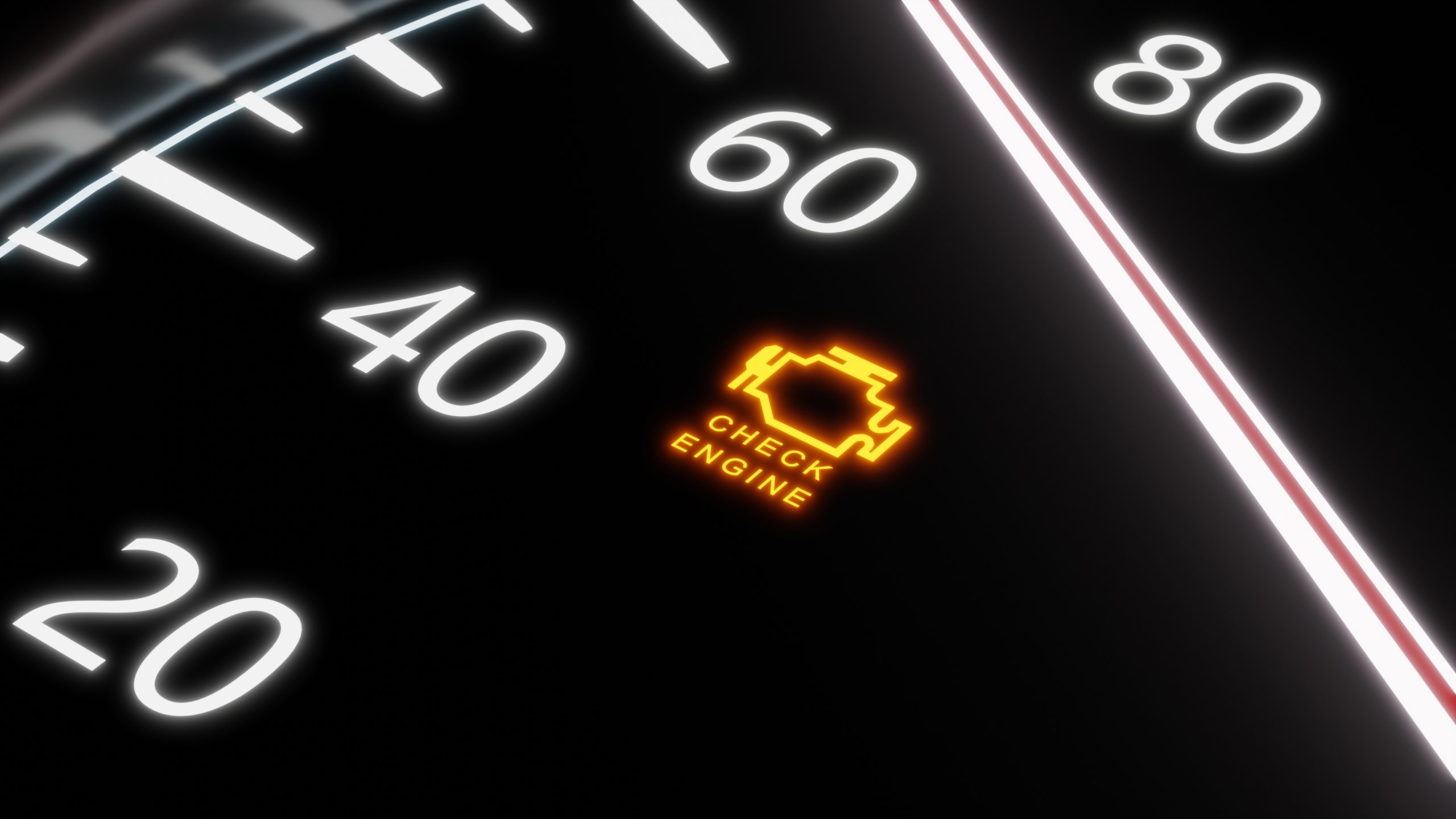

We’ve all been there. You pull up to a promising Craigslist or Marketplace listing, the body looks straight, the interior is clean, but then you twist the key and see that dreaded amber glow: the Check Engine Light.
For most people, that light is a “deal-breaker.” For us? It’s a “price-breaker.”
If you know how to read the code and estimate the fix, that little light can easily knock $500 to $1,500 off the asking price. Here is how to handle the “CEL” negotiation like a pro.
1. Never Show Up Without “The Eye”
You wouldn’t buy a house without an inspection, so don’t buy a flip without a scanner.
Showing up with a professional-grade OBD2 scanner immediately changes the dynamic of the sale. It tells the seller you aren’t a “tire kicker”—you’re an expert.
Pro Tip: I use the Innova 5210 because it gives me live data. If a seller cleared the codes five minutes before I arrived, this tool will show me that the “monitors” aren’t ready, which is a massive red flag.
2. Perform the “Diagnostic Theater”
When you find a code, don’t just whisper it to yourself. Pull the code while the seller is standing right there.
- Read it out loud: “Okay, we’ve got a P0442—Small EVAP leak.”
- Explain the worst-case scenario: Even if you suspect it’s just a loose gas cap, talk about the cost of smoke-testing the vacuum lines or replacing a charcoal canister.
3. The “Labor vs. Parts” Argument
Sellers usually think in terms of parts. “It’s just a $40 sensor!” they’ll say.
Your counter-argument should always be about labor and specialized tools. Remind them that a shop charges $120/hour just to look at it, and a “simple” sensor swap on some modern engines requires pulling the intake manifold.
The Script: “I hear you that the part is cheap, but a shop is going to charge me three hours of labor plus a diagnostic fee to guarantee this passes E-Check. I have to factor at least $500 into my offer to cover that risk.”
4. Know the “Run Away” Codes
Not every light is a discount; some are warnings to stay away. Unless you’re looking for a “parts car,” be wary of:
- P0300 (Random Misfires): Could be plugs ($), or it could be low compression/burnt valves ($$$).
- P0420 (Catalytic Converter): Cats are expensive, and if they’re clogged, there’s usually an engine issue that caused it.
- Transmission Codes: Any “Pressure Sensor” or “Slippage” codes usually mean a rebuild is in your future.
5. The Final Close
Once you’ve identified the issue, make your offer based on the “fixed” value of the car minus the repair cost and a “hassle tax.”
Example: If the car is worth $5,000 fixed, and the seller wants $4,000, but it has a CEL for an O2 sensor: “The car is solid, but with that light on, I can’t sell it or pass inspection. I’m looking at $150 for the sensor and a Saturday morning of my time. I can do $3,200 cash today and take the risk off your hands.”
Gear Up for Your Next Flip
Don’t get caught guessing. Here are the three things I keep in my mobile diagnostic kit:
- The Scanner: Innova 5210 – Reliable, fast, and pays for itself in one flip.
- The Work Light: Magnetic LED Lights – For seeing those cracked vacuum lines in the dark.
- The Compact Jumpbox: NOCO Boost – For when you need a jump without the hassle of cables.
Note: As an Amazon Associate I earn from qualifying purchases. If you choose to purchase a tool or supply through these links, I may earn a small commission at no extra cost to you. This helps support the blog and keeps the wrenching tips coming!
